Everyday Habits That Quiet a Home: Small Mistakes and Simple Fixes
There are tiny, repeated choices that shape how a home feels long before a deep clean or a weekend project. A single evening routine, one unattended pile, or the wrong light bulb can tilt a room toward friction or ease. Below is a calm checklist of common mistakes people make in everyday living, paired with small, useful corrections that take little time but change a space’s mood.
1. Entryway Habits: The First Impression You Live With
How you treat the threshold matters more than you might expect. An entryway that muddles in and never breathes quickly sets a tone for the whole day.
Mistakes
- Leaving shoes, bags, and mail scattered because there’s no clear place for them.
- Expecting guests to tidy up for you by dropping items wherever is convenient.
- Using the entry as long-term storage for items that don’t belong there.
Simple Corrections
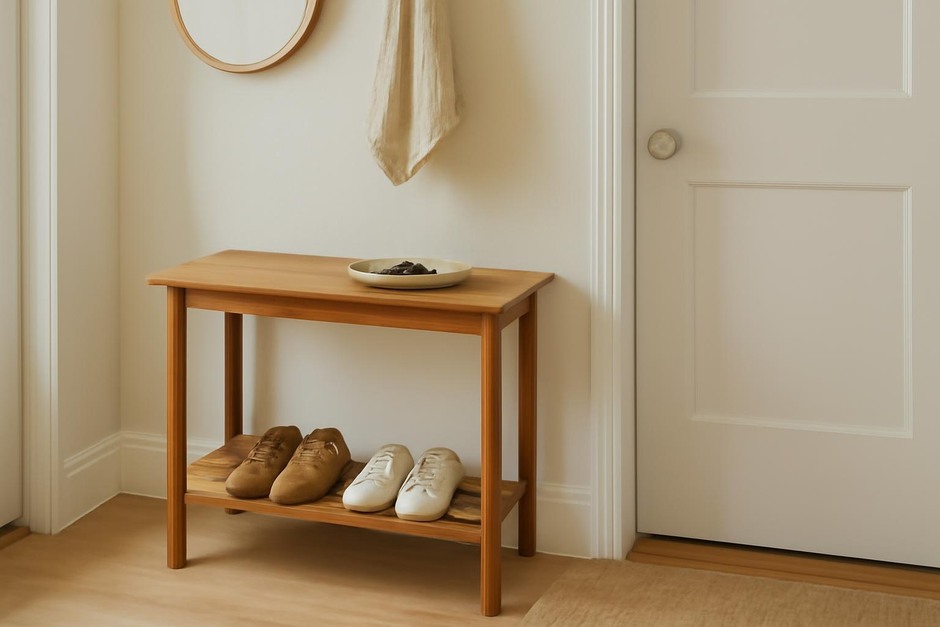
- Create a discreet drop zone: a tray for keys, a hook for one everyday bag, and a small basket for mail. Limit it to what you use daily.
- Adopt the one-item-in-one-item-out rule for the entry: if you bring something in that doesn’t belong, immediately move it to its proper place.
- Do a quick five-minute reset each evening so the first thing you see in the morning is calm.
2. Flat Surfaces and Countertops: Not Intended as Permanent Storage
Flat surfaces invite accumulation. A counter, table, or dresser quickly becomes a visual list of unfinished tasks if left unchecked.
Mistakes
- Treating surfaces as temporary storage that never gets revisited.
- Keeping many small containers and gadgets scattered instead of consolidating them.
- Letting cords and chargers sprawl across visible surfaces.
Simple Corrections
- Implement a nightly surface reset: set a timer for five minutes and return misplaced items to their homes.
- Use a single catch-all basket for miscellaneous items; empty it weekly.
- Centralize charging to one small station or drawer so cables aren’t the visual focus.
3. Light and Sound: Small Choices, Big Effect
Light and sound shape atmosphere more than furniture does. Subtle changes prevent a room from feeling sharp or empty.
Mistakes
- Relying solely on a single harsh overhead light.
- Assuming silence is the default or letting constant electronic noise fill the space.
- Ignoring bulbs that are slightly too bright or too cool for the room’s function.
Simple Corrections
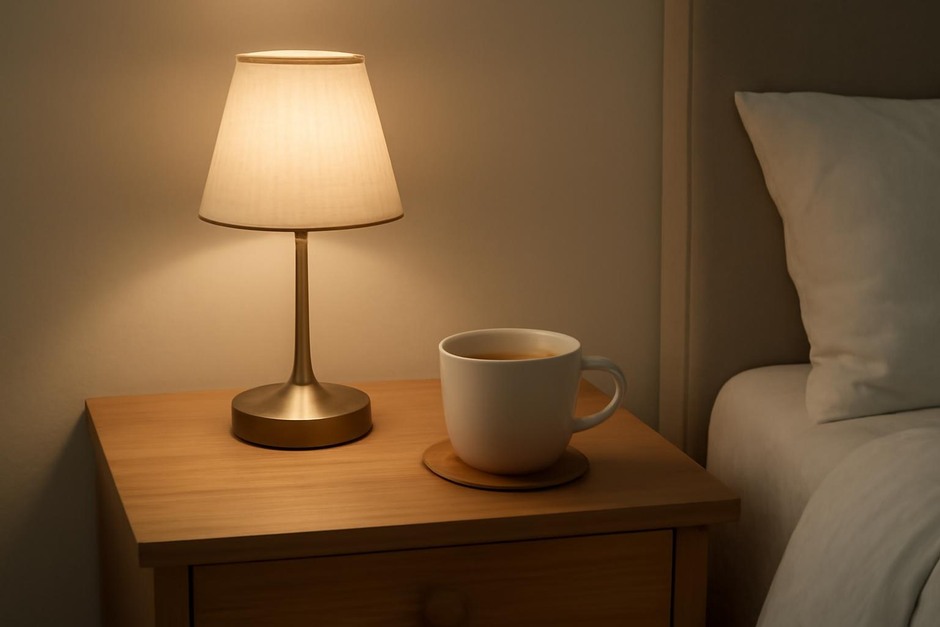
- Add at least two light layers: a warm overhead, a task lamp, and a soft lamp for evenings. Aim for bulbs in a warm color temperature for living areas.
- Use soft background sound selectively—an hour of music in the morning or soft white noise during focused work—rather than all-day audio clutter.
- Keep a few low-power lamps handy so you can change the mood with a switch instead of rearranging furniture.
4. Maintenance and Small Repairs: Stop Letting Tiny Things Grow
Small broken things teach the brain to tolerate disorder. Tiny maintenance tasks left undone accumulate into a sense that the house is always unfinished.
Mistakes
- Postponing minor repairs because they seem insignificant.
- Not keeping basic tools and supplies in an accessible place.
- Waiting until a small problem becomes a big one because it was out of sight.
Simple Corrections
- Adopt a weekly fifteen-minute maintenance habit: tighten a loose screw, replace a burned bulb, wipe a scuffed baseboard.
- Keep a compact toolkit and a few spare bulbs in a predictable spot so fixes are frictionless.
- Use simple labels or a small checklist on the fridge for recurring small tasks to make them visible and easy to address.
Measured conclusion: Calm homes are not the result of one overhaul but of gentle, repeated corrections. Try adding just one of the small fixes above to your routine for a week and notice the cumulative effect. These adjustments are quiet — a tray here, a five-minute reset there — but together they change how a place feels and how you move through it.